
The Media Strategy of the Justice and Development Party
Media Engineering in Turkey: From Media Capture to the Consolidation of Political Power
 G
Zaviye Institute: Media engineering in Turkey over the past two decades has become one of the clearest manifestations of the nexus between electoral democracy, the concentration of political power and the weakening of institutions that guarantee pluralism. Developments following the failed coup attempt in 2016, the concentration of executive power, changes to the structure of the political system and increased government intervention in various institutions have raised concerns about the independence of democratic institutions.
Read more: How Will the US Elections Affect Turkey’s Domestic Politics and Erdoğan’s Future?
Media Engineering in Turkey and the Concentration of Power
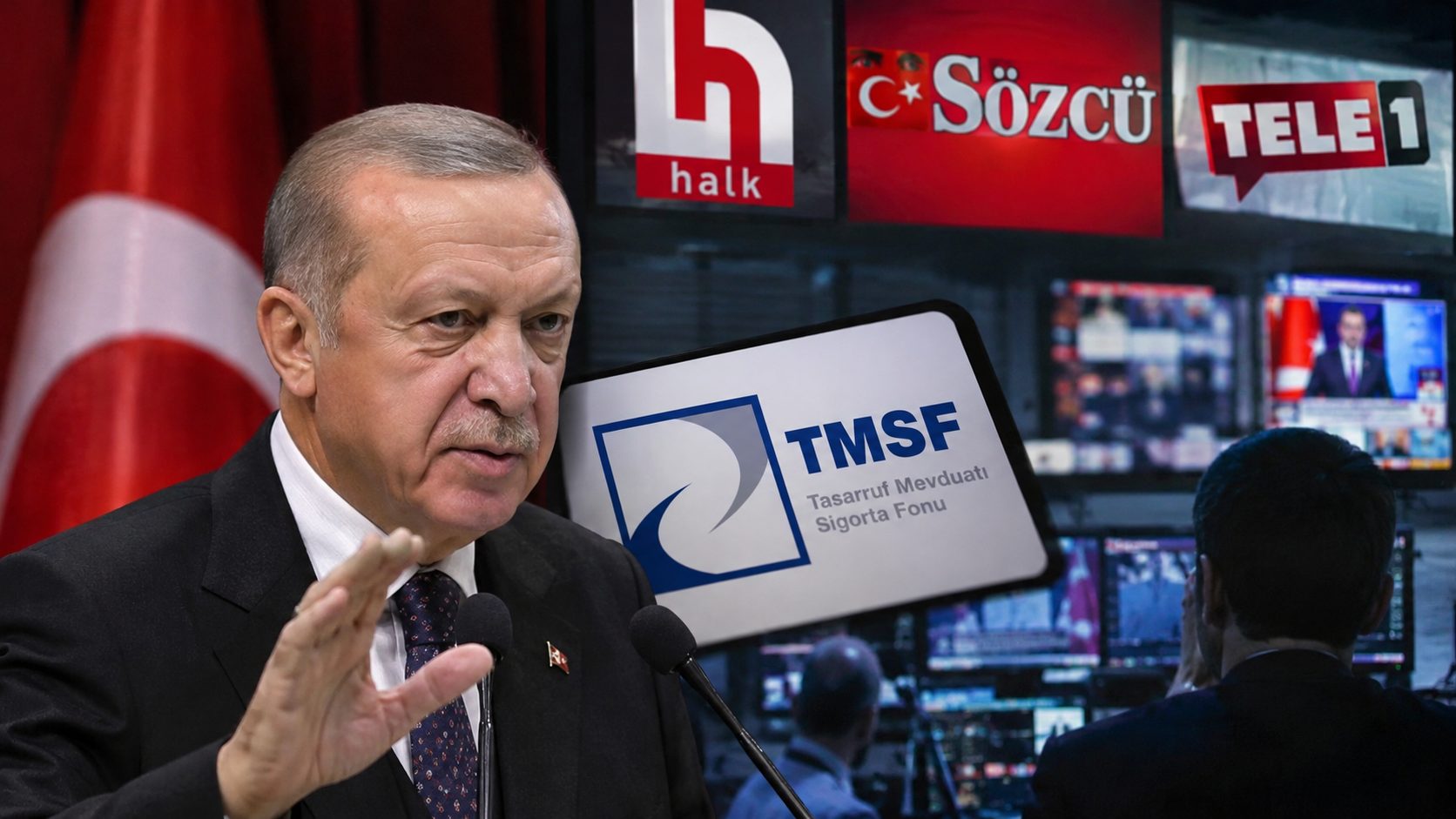
Against this backdrop, the media have become one of the most important arenas of conflict between the government and opposition forces. The authorities have made use of judicial and administrative mechanisms and transferred control of certain media companies and groups to Turkey’s Savings Deposit Insurance Fund (TMSF). This institution originally operated with financial and banking responsibilities, but in recent years its role in managing seized companies and media groups has gained importance.
Restrictions on Independent Media in Turkey
Over the past two years, particularly following the government’s defeat in the 2024 municipal elections, pressure on government-critical media and journalists has increased. In 2026, the authorities changed the ownership and management of Halk TV and Sözcü, while severely restricting the Tele1 channel a year earlier. According to the European Commission’s 2026 report, between September 2025 and September 2026, 74 journalists and media activists were detained in Turkey.
In Turkey’s current political system, given the importance of political parties and electoral activities, the media play an important role in conveying competing views and shaping the electoral environment, particularly when the government’s position is fragile. In such circumstances, the authorities seek, through measures including restricting opposition forces’ access to communications and media tools, using official institutions to constrain the activities of political and social actors, and creating asymmetry in access to resources of power, to sharply reduce the ability of opposition media to compete effectively with media benefiting from structural and institutional support.
Read more: The Challenge of Power Concentration and the Crisis of Political-Party Representation
Media Capture under the Justice and Development Party
Ownership control and media capture are among the most important instruments of media engineering in Turkey. Through control over ownership, financial resources and regulations, as well as institutional pressure, the authorities constrain media independence. Media-capture strategies during the Justice and Development Party’s rule can be examined under three main categories: creating and strengthening private media aligned with the government; imposing financial and economic pressure on critical media; and intimidating and criminalising the activities of critical journalists.
In recent years, the role of the Turkey’s Savings Deposit Insurance Fund in managing seized media assets has become more prominent. In a report published in June 2026, the Reuters Institute pointed to a connection between the concentration of media ownership, the proximity of certain business groups to the government and the weakness of independent media’s financial resources.
Read more: The Reuters Institute for the Study of Journalism’s 2026 Report
The report identifies as among the most important issues and problems facing independent media such factors as the concentration of a large share of media ownership in the hands of major business groups, the proximity of certain media owners to the power structure, independent media’s limited access to advertising resources, and declining revenues for some digital media outlets as a result of changes to platform algorithms, as well as the difficulty of covering operating costs.
Managing Public Opinion and Consolidating Political Power
Another important issue is the government’s effort to influence public opinion through the media. In other words, the authorities seek, by restricting the activities of opposition media and strengthening media close to them, to influence the types of news and issues raised in society and the way people perceive political matters.
The less opportunity independent media have to operate, the more room is created for the official government narrative and viewpoint to expand. In practice, media engineering in Turkey is pursued with the aim of strengthening the government’s official narrative, maintaining public support and reducing the influence of opposing viewpoints; its success, however, depends on public acceptance and the ability of independent media to disseminate alternative narratives.
Reader comments