
An Alliance with Saudi Arabia and Influence in Syria: Is Turkey on Track to Build a Turkish Middle East, or Trapped in Regional Rivalries?
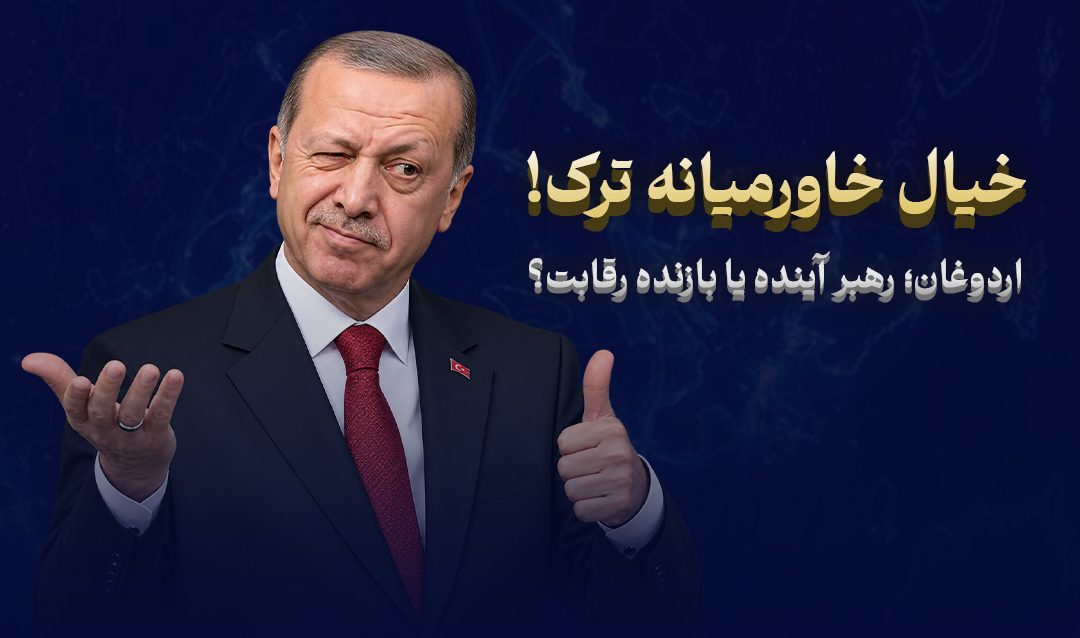
Watch | The Illusion of a Turkish Middle East: Turkey’s Regional Ambition
 Z
Zaviye Think Tank: The idea of a Turkish Middle East can be examined within the framework of Ankara’s efforts to redefine its position in the region’s political, security and geopolitical equations. Expanding its influence in Syria and strengthening defence cooperation with Saudi Arabia and Pakistan are among the areas that merit examination in Turkey’s regional strategy.
Turkey’s Challenges on the Path to Middle Eastern Leadership
Despite Turkey’s military, economic and diplomatic capabilities, competition among regional powers, conflicting interests among external actors and the complexities of developments in Syria pose serious obstacles to the realisation of this ambition.
The concept of a Turkish Middle East is being advanced at a time when achieving regional leadership requires not only military power, but also sustainable economic capacity, political legitimacy and the ability to manage geopolitical rivalries.
In this video, the Zaviye Institute for Strategic Studies examines the dimensions of Ankara’s regional strategy, the opportunities and limitations of Turkey’s foreign policy, and the potential implications of the country’s ambitions for the future of the Middle East.
The Implications of Turkey’s Regional Strategy for the Future of the Middle East
One of the most important questions concerning Turkey’s foreign policy is the extent to which Ankara’s geopolitical ambitions correspond to the country’s actual capacities to manage regional developments. Expanding its influence in Syria, developing security cooperation and seeking to shape new regional relations do not necessarily signify the attainment of a leadership position in the Middle East.
The competing interests of Iran, Saudi Arabia, Israel and other regional actors, alongside the role of extra-regional powers, may impose serious constraints on the realisation of Turkey’s strategic objectives. At the same time, economic costs, security commitments and the possibility of escalating political and military tensions are among the factors that will influence the future of Ankara’s regional policy.
From this perspective, the idea of a Turkish Middle East is less a consolidated geopolitical reality than an expression of strategic ambition whose realisation will depend on the management of rivalries, developments in Syria and the responses of other regional powers.
Reader comments